
IcelandSUPPORTSMOBILITYIN UKRAINE
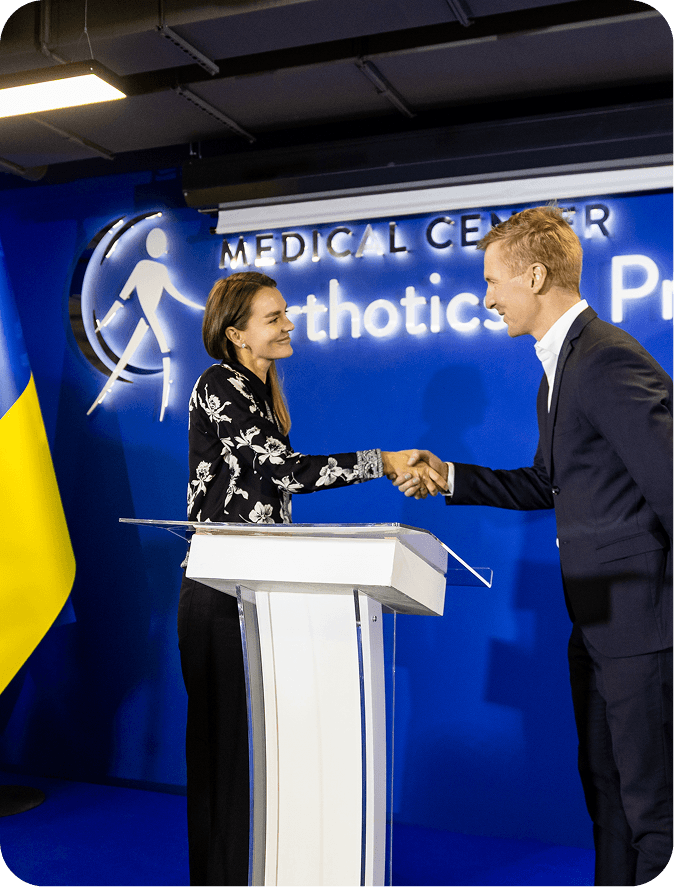
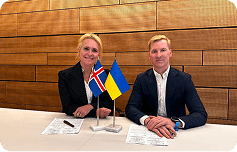
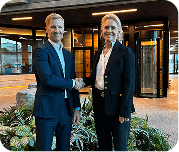
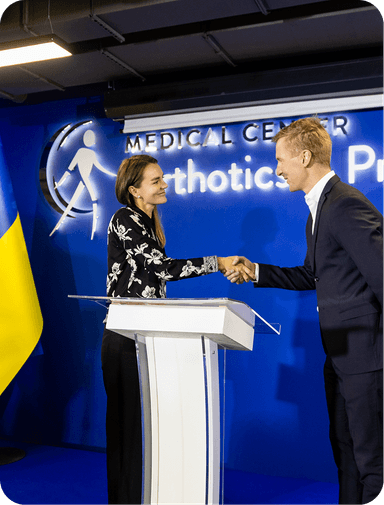
The Future for Ukraine Foundation implements the project in partnership with the Medical Center Orthotics & Prosthetics (MCOP) Ukraine, the prosthetic provider, with grant support from the Government of Iceland and Embla Medical HF.


ABOUT THE PROSTHETICS OF UKRAINIANS PROGRAM
0+
defenders0+
years$0+
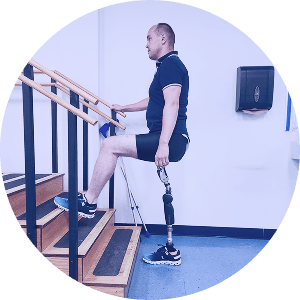
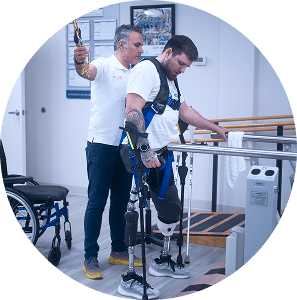
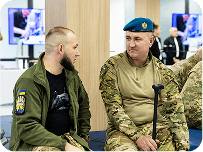
millionTogether with the MCOP Center, Future for Ukraine provides functional prosthetic care and rehabilitation for Ukrainians who have undergone lower-limb amputations since February 24, 2022—the date of Russia’s full-scale invasion of Ukraine—regardless of the specific circumstances, nature, or cause of the injury that led to the amputation.
Since the program’s launch, more than 130 Ukrainians, including defenders of Ukraine and individuals with multiple amputations, have received state-of-the-art prosthetic care and comprehensive rehabilitation support, with a total program value exceeding $2.4 million.
Beyond direct prosthetic support, the Foundation is engaged in advocacy efforts and contributes to the development of the prosthetics sector in Ukraine.
ffu.foundationPROSTHETIC CARE FACILITY
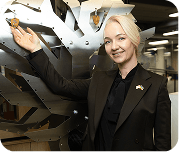
Medical Center Orthotics & Prosthetics (MCOP) has more than 20 years of experience providing prosthetic care and adaptation programs for people with limb loss, including military veterans and war veterans from Iraq and Afghanistan, helping them restore mobility, confidence, and stability after amputation.
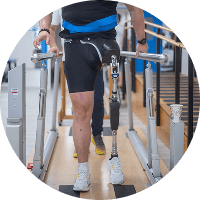
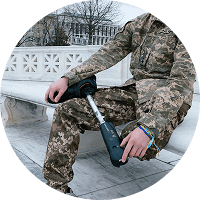
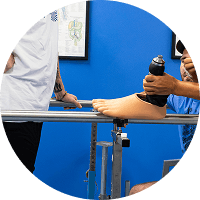
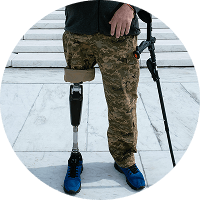
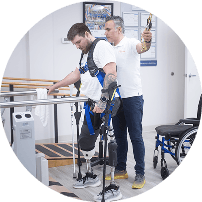
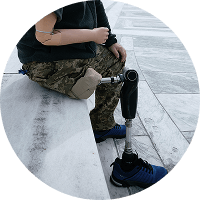
Since the beginning of russia’s full-scale invasion, MCOP has provided prosthetic care and recovery services at its centers in the U.S. to nearly 100 Ukrainian defenders with complex amputations. In 2025, MCOP launched its operations in Ukraine. With the support of MCOP specialists, Ukrainian veterans have been able to return to everyday life, including work, hobbies, and building families.
HOW TO RECEIVE FREE PROSTHETIC CARE?
Review the options we offer and the eligibility criteria for participation in the prosthetics program.
General provisions
If you are a Ukrainian citizen who has undergone a lower-limb amputation since February 24, 2022, regardless of the circumstances or cause of the injury, and you require charitable assistance, you may qualify for free prosthetic care through this program.
If your case meets the stated criteria, please complete the application below.
WHAT DO WE OFFER?
Primary Prosthetic Care
For individuals applying for prosthetic care for the first time. This option is available to candidates who have medical indications for initial prosthetic fitting, confirmed by a qualified specialist (the residual limb is ready for prosthetic fitting, and the postoperative condition is stable).
Secondary Prosthetic Care
For individuals who require replacement of an existing prosthesis or its components. Secondary prosthetic care is provided based on a justified need and applies if at least one of the following criteria is met:
Technical unsuitability of the prosthesis
The existing socket or components are no longer suitable for use for the following reasons:
- do not match the anatomical or physiological dimensions;
- do not ensure proper fixation;
- cannot be effectively repaired or adjusted.
Chronic discomfort and reduced activity
The candidate uses the existing prosthesis for less than 50% of their active time due to discomfort, pain, skin irritation, damage, instability, or fear of falling.
Mismatch between prosthetic components and functional needs
Replacement is considered justified if the components of the existing prosthesis do not correspond to the individual’s actual activity level or anthropometric parameters, resulting in limited or unsafe use, including:
- use of a prosthetic foot that does not match the required activity level;
- use of a prosthetic foot that does not match the user’s weight category;
- use of a knee unit that does not fit to the user’s actual activity level.
Such mismatches increase the risk of injury, reduce safety, and limit opportunities for social or professional reintegration.
We will contact you within 3 business days after your application is submitted.
SUBMIT AN APPLICATION
If your case meets the eligibility criteria under the project grant terms, you may apply for participation by completing the application form.
If you have any additional questions, contact us at: [email protected].
NEWS
STORIES OF PROJECT PARTICIPANTS

Maksym, 24 y.o.
Serhii, 39 y.o.

Oleksandr, 33 y.o.
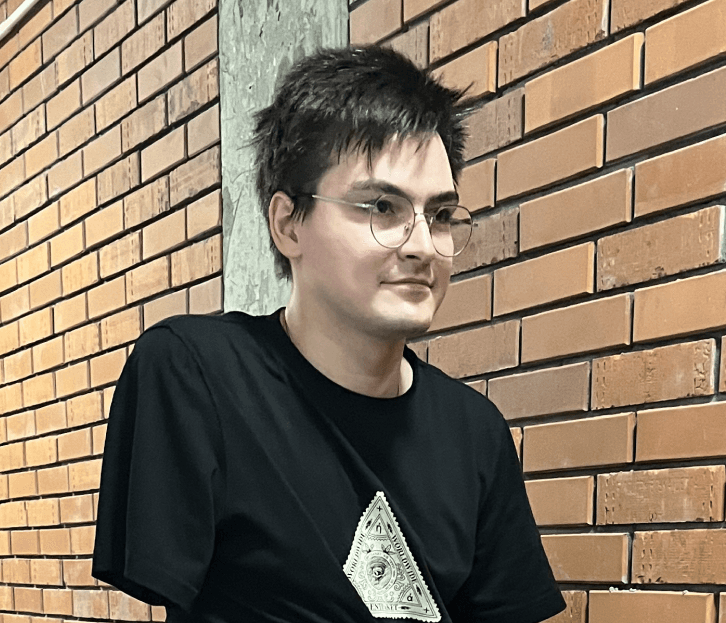
Mark, 29 y.o.

Viktor, 35 y.o.

Vitalii, 35 y.o.
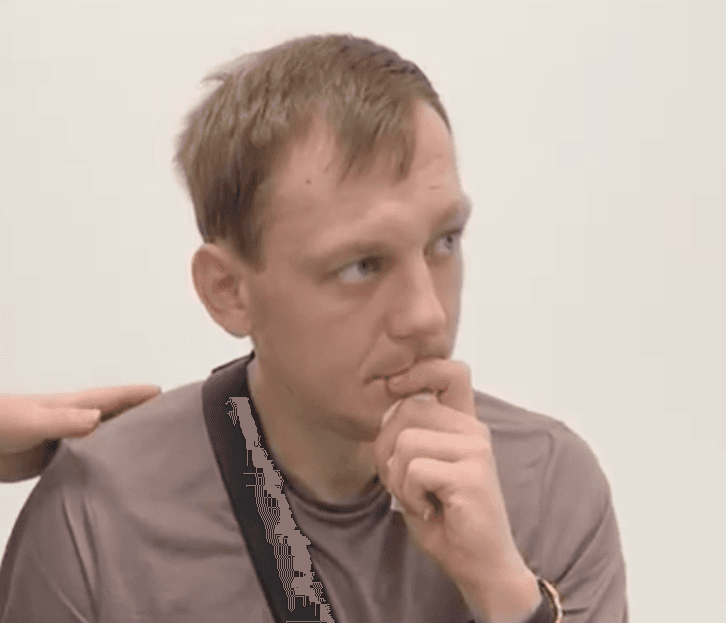
Oleksii, 37 y.o.
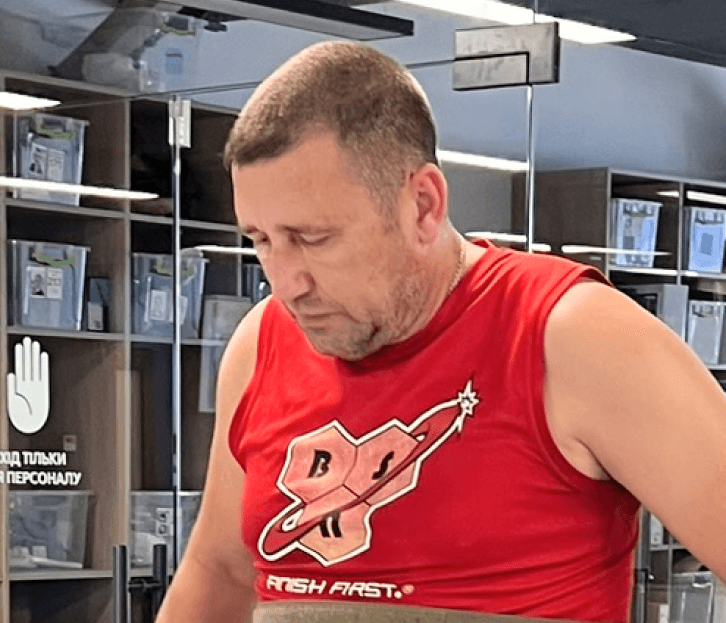
Vasyl, 44 y.o.
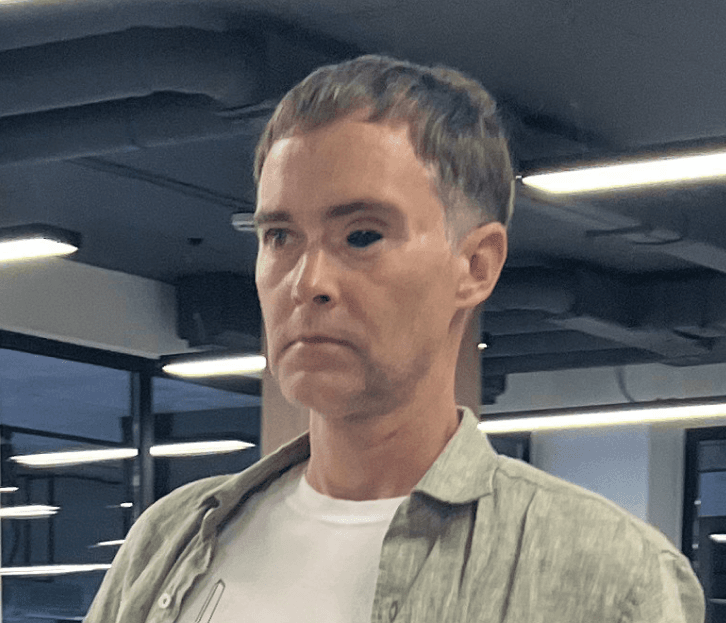
Serhii, 50 y.o.
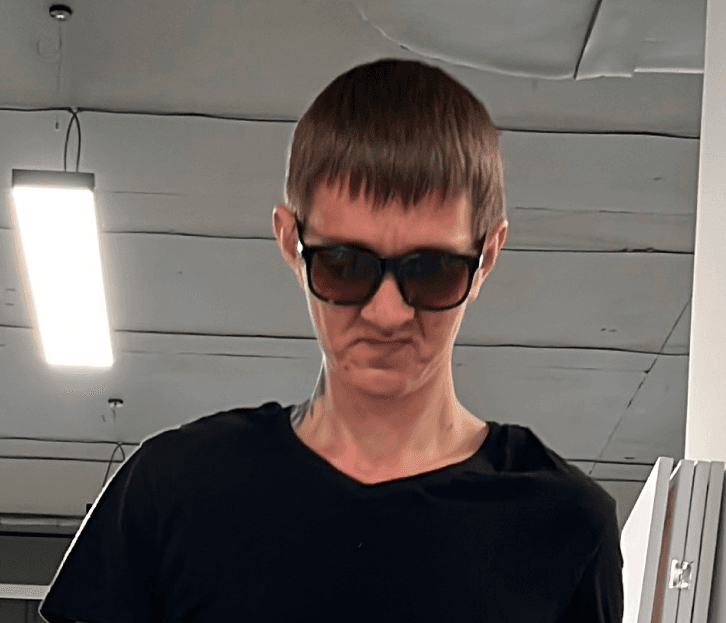
Oleksandr, 34 y.o.
FREQUENTLY ASKED QUESTIONS
What documents do I need to receive a prosthesis?
For military personnel:
- Copy of the Passport of a Citizen of Ukraine
- Copy of the Certificate of Assignment of the Tax Identification Number (TIN)
- Certificate of place of residence (if available)
- Extract from the Unified State Register of Veterans (if available)
- Certificate describing the circumstances of the injury
- Photo of the residual limb — for preliminary assessment by a prosthetist
- Copies of medical documents confirming the need for prosthetic care and documented justification for provision of an assistive rehabilitation device, including a conclusion issued by one of the following bodies
- Multidisciplinary Rehabilitation Team (MRT);
- Expert Team for Assessment of Daily Functioning;
- Medical Advisory Commission (MAC)
- Military Medical Commission (MMC)
- Copy of the Medical and Social Expert Commission (MSEC) disability certificate (if available)
- Copy of a medical discharge summary/medical certificates confirming the fact and level of amputation
- Certificate confirming disability as a result of war (if available)
- Combatant certificate (if available)
- War veteran certificate (if available)
For civilians:
- Medical conclusion confirming the need for prosthetic care
- Passport of a Citizen of Ukraine
- Tax Identification Number
- Medical document describing the circumstances of the injury
How is readiness for prosthetic fitting determined?
The decision to begin prosthetic fitting is made by a Multidisciplinary Rehabilitation Team (MRT), which includes a physician, physical therapist, occupational therapist, prosthetist, and the patient.
Preparation for prosthetic fitting begins immediately after acute treatment, during the rehabilitation phase in a rehabilitation facility.
Rehabilitation for a person with an amputation includes compression therapy of the residual limb, scar massage, and exercises aimed at preserving joint mobility.
Prosthetic fitting begins once the residual limb has properly formed, specifically when:
- the residual limb has no excess or deficit of soft tissue;
- the wound has fully healed;
- the postoperative scar is elastic, painless, and capable of bearing load;
- the skin of the residual limb is intact;
- swelling is decreasing;
- the residual limb can bear weight;
- balance and muscle strength of the residual limb, back, and other limbs are improving
Prosthetic care facility
Prosthetic care is provided at Medical Center Orthotics & Prosthetics (MCOP) Ukraine, located at 86D Kazymyra Malevycha Street, Kyiv, Ukraine.
MCOP has over 20 years of experience providing prosthetic care and adaptation programs for people with limb loss, including military personnel and veterans of the Iraq and Afghanistan wars, helping them restore mobility, confidence, and stability after amputation.
Since the beginning of russia’s full-scale invasion, MCOP has provided prosthetic care and recovery services at its centers in the United States to nearly 100 Ukrainian defenders with complex amputations. In 2025, MCOP launched its operations in Ukraine. With the support of MCOP specialists, Ukrainian veterans have been able to return to everyday life, including work, hobbies, and building families. More information about the center is available on its official website.
Is prosthetic care free of charge?
Yes. Prosthetic care is fully covered by the grant, in accordance with the project’s grant policy. The patient does not bear any financial costs related to the manufacturing or fitting of the prosthesis.
Is accommodation provided during the prosthetic process?
No. The Future for Ukraine Foundation does not cover any participant expenses, including logistics (travel costs), accommodation, meals, or other related expenses during participation in the project.
CONTACTS
Project email:
[email protected]Project coordinator:
[email protected]