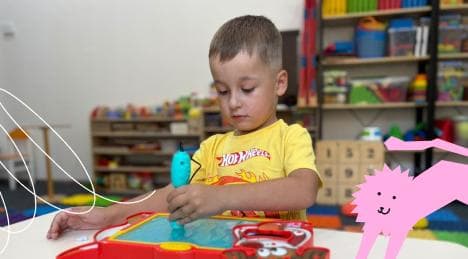
The effectiveness of correctional classes for children on the autism spectrum is based on three pillars: timely recognition of symptoms, accurate diagnosis, and starting correctional work with the child as soon as possible. Time is the most valuable resource in this process. The sooner professional intervention begins, the greater the chance that a child on the autism spectrum will be fully integrated into society and able to communicate and be independent.
The heroes of our story today, Tetyana and her son Danylo, faced precisely this choice: to wait or to act immediately. When the war began, the family moved from Kharkiv to Dnipro. However, due to constant shelling, Tetyana decided to evacuate to Poland with her son. At that time, Danylo had not yet been diagnosed, and he was three years old. After consulting with local doctors, Tetyana was advised to wait until he was six years old.
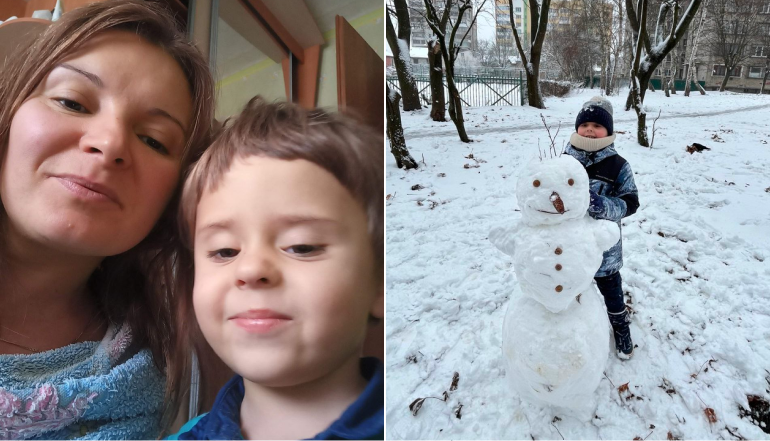
Then, there were difficulties with kindergarten. They didn't want to accept my son into the group because of his special needs. “They said he was different from the other children and sent him to the doctor. You go there, and they tell you that everything is fine. They didn't give him a diagnosis or any conclusions. They said he would grow out of it. But he's already four years old, and he still doesn't talk. He does talk, but only I understand him," Tetyana recalls.
The woman shared that it was an emotionally difficult period for her. Meaning had to adapt to a new place, where she could not find help for her child. Eventually, the family returned to Kharkiv, where little Danylo was frightened by the explosions and refused to leave the house. Then came another move, this time to Lviv. There, doctors diagnosed Danylo with ASD and advised the family to contact the LEVCHYK SPECTRUM HUB.
What are the first warning signs, and what should parents pay attention to?
Although autism cannot be "cured" with pills, it can be corrected if developmental abnormalities are noticed in time. The first signs of ASD typically appear between the ages of 18 months and 3 years, though some signs may be visible earlier.
Specialists advise paying attention to the following signs:
- Lack of eye contact: the child does not look you in the eye or avoids eye contact.
- Response to their name: the child does not respond when their name is called, even though their hearing is fine.
- Lack of pointing gestures: the child does not point to objects that interest them.
- Speech delay: the child does not start talking, or they lose skills they had already acquired.
- Stereotypical movements, such as lining up toys in long rows, spinning in place, or waving their arms.
- Sensory sensitivity: an overly violent reaction to loud noises or certain food textures.
It has been scientifically proven that correction is most successful before the age of six, when a child's brain is most malleable. Tetyana first noticed signs of autism spectrum disorders in Danylo when he was a year and a half old: "I noticed that he wasn't paying attention to animals or bugs. I would show him something, but he didn't care. We always had to take the same route, and he would often scream. I consulted a pediatrician, who said that everything was fine and that Danylo would grow out of it because he was just too active. However, I felt that something was not right."
Tetyana recalls how the other children invited her son to play on the playground, but he didn't understand them. Then, the other children tried to tease him. At home, the boy liked to play with bottles, arranging them on a shelf and looking at them for a long time: "We have a whole collection of soda bottles at home. They're all closed. You can't drink them or move them."
LEVCHYK SPECTRUM HUB — a space where hope returns
Upon returning to Ukraine, the family found the support they lacked abroad. Their salvation came in the form of Levchyk Spectrum Hub, a center created specifically to help those in the most difficult circumstances. Thanks to the support of donors, international grants, and patron Vadym Stolar, IDP children and children from frontline territories with autism spectrum disorders can receive free correctional help here.
Danylo is now six years old and enjoys attending LEVCHYK. He is already experiencing his first successes. "When we first came here, our child didn't know what this was or how it worked. Now, he stays here and knows what he will be doing. Before, we had to persuade him to go to class. Now, he goes calmly and tells us how it went," says Tetyana.
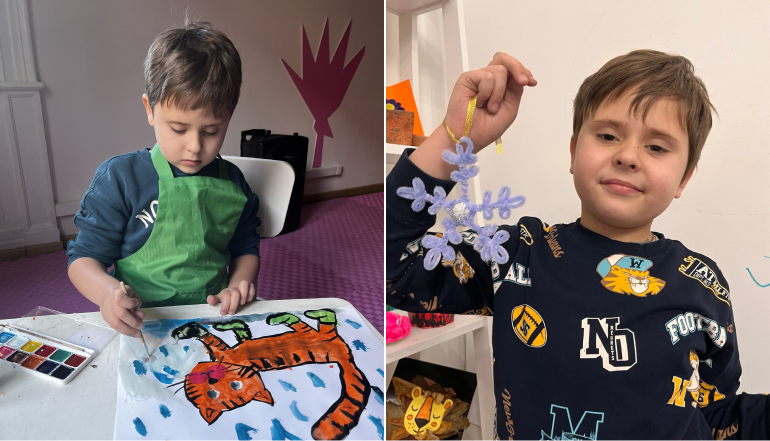
At LEVCHYK SPECTRUM HUB, we believe that war should not rob children of the opportunity to grow and develop. If you notice any unusual behavior in your child or have received a diagnosis and need support, don't wait. Please fill out the form on our website, and our specialists will contact you to arrange a consultation.