Waiting for news from loved ones during wartime means living through an emotional storm — from despair to hope, and back again. Yet, women often remain alone with these experiences due to societal prejudice and a lack of understanding of the depth of the problem: ambiguous loss is trauma.
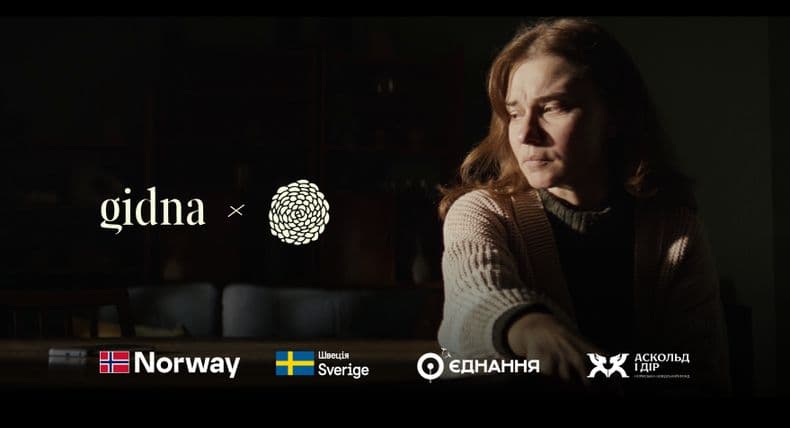
To tell the stories of women living with ambiguous loss when their loved ones are missing or held in captivity because of the war, Future for Ukraine, together with the Luminance Production studio, created a short social film titled “Ambiguous Loss Is Trauma”, which has already been released on social media platforms.
The video is produced with the support of the Askold and Dir Fund as a part of the Strong Civil Society of Ukraine — a Driver towards Reforms and Democracy project, implemented by ISAR Ednannia, funded by Norway and Sweden.
The film features women of different generations waiting for a phone call from someone close to them. They are united by shared pain and emotional swings — from hope to despair — which they live with for months and even years.
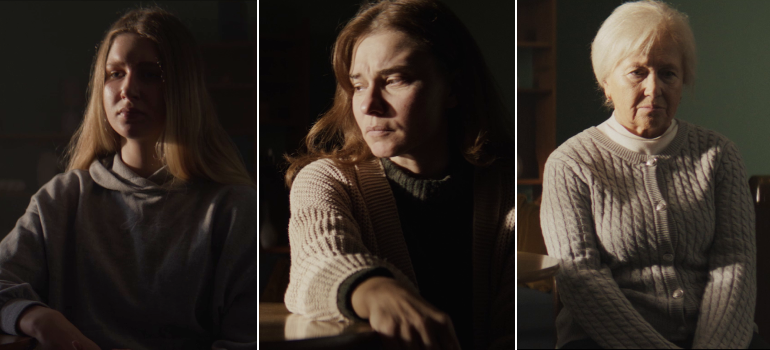
According to director Denys Stehnii, the video was not conceived as a film with a happy ending, but rather as one that offers hope and encourages positive changes.
Share the video on your social media — spreading awareness about ambiguous loss helps break societal stigma and provides real support to those who are waiting.
Despite the tragic statistics in Ukraine — tens of thousands of families whose loved ones are missing or held in captivity — ambiguous loss remains largely outside public attention.
The reasons include distrust toward psychotherapy, social prejudice, and a basic lack of information about where to seek help when you feel exhausted. That is why advocacy is an integral part of the GIDNA project, which provides psychological support to Ukrainian women affected by the consequences of war.
“There is a very common stigma in society that prevents women from seeking therapy: ‘No one can help me; no one needs me with my grief.’ But when a woman does decide to come to the project, we uncover many layers of pain to work with. Constant tension and emotional swings manifest somatically in the body and affect overall psycho-emotional well-being. That is why we first work with external symptoms. Then we begin rebuilding the internal support system that has been destroyed,” says Nataliia Prysiazhniuk, a psychotherapist of the GIDNA project.
She also added that through systematic therapeutic work with a specialist, women often rediscover interest in new things — taking up embroidery, signing up for dance classes, or finding new connections and shared experiences. This gives them resources and support.
As noted by Anna Hrubaia, Curator of the GIDNA project, more than 110 women have already received qualified psychological support under the “Ambiguous Loss” direction, and those who survived conflict-related sexual violence (CRSV).
Under the program, each woman is entitled to 16 free individual sessions with a psychologist and may then continue with group therapy for an indefinite period. To learn more about the project and available free, qualified psychological support, please visit the project’s website.
The material is produced by CF «Future for Ukraine» with the support of the Askold and Dir Fund as a part of the Strong Civil Society of Ukraine - a Driver towards Reforms and Democracy project, implemented by ISAR Ednannia, funded by Norway and Sweden.
The contents of this publication are the sole responsibility of CF «Future for Ukraine» and can in no way be taken to reflect the views of the Government of Norway, the Government of Sweden, and ISAR Ednannia.